
Clear purpose
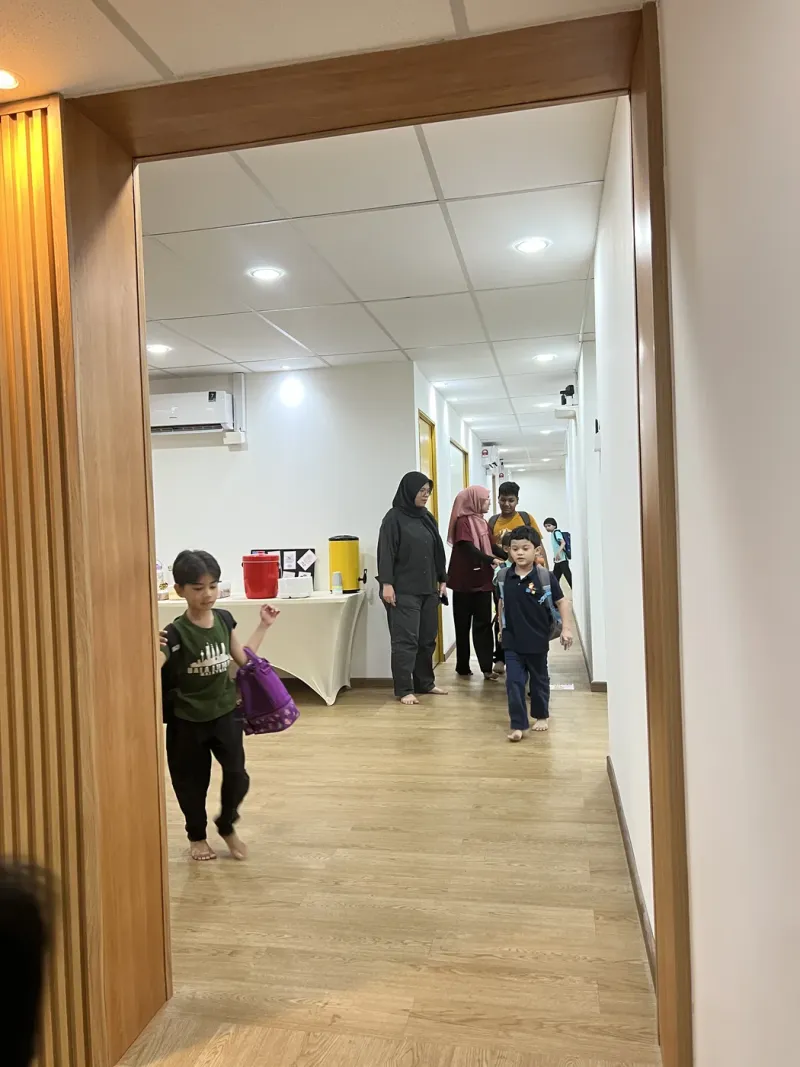
Each area communicates what happens there—teaching, reading, movement, eating, individual support or rest.
The Learning Environment
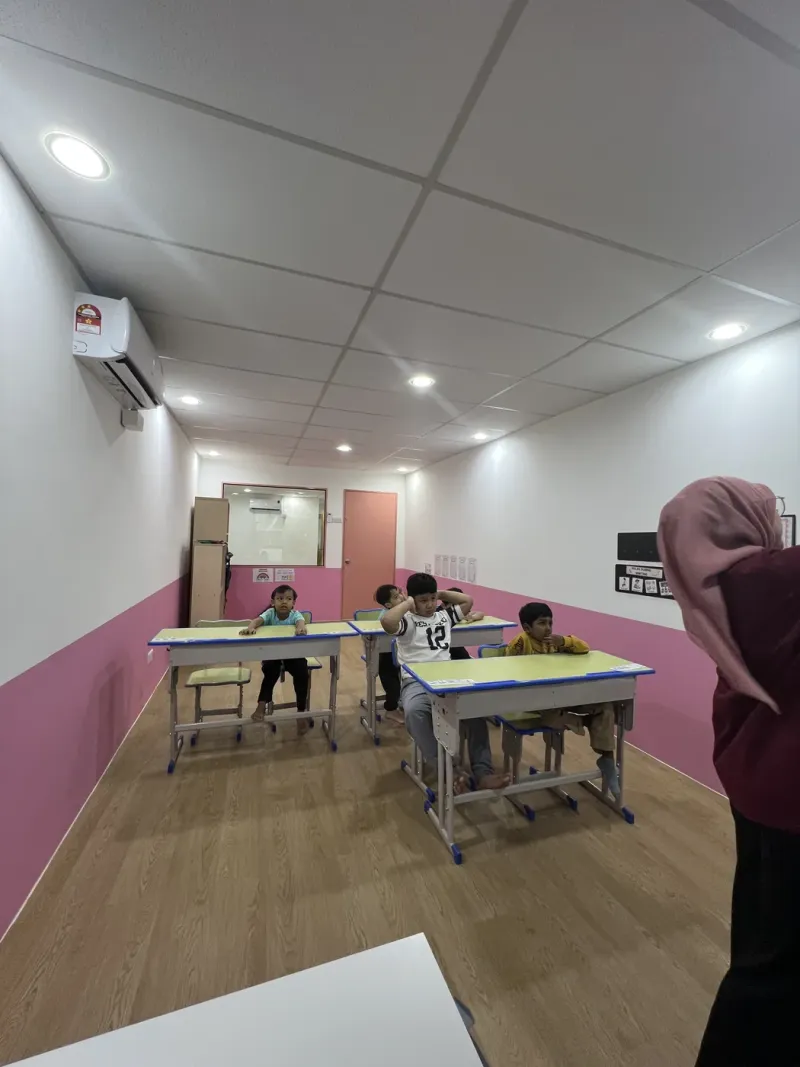
The environment is part of the teaching approach. KSS uses defined learning areas, smaller groups and predictable routines to help learners understand where to go, what to do and what happens next.
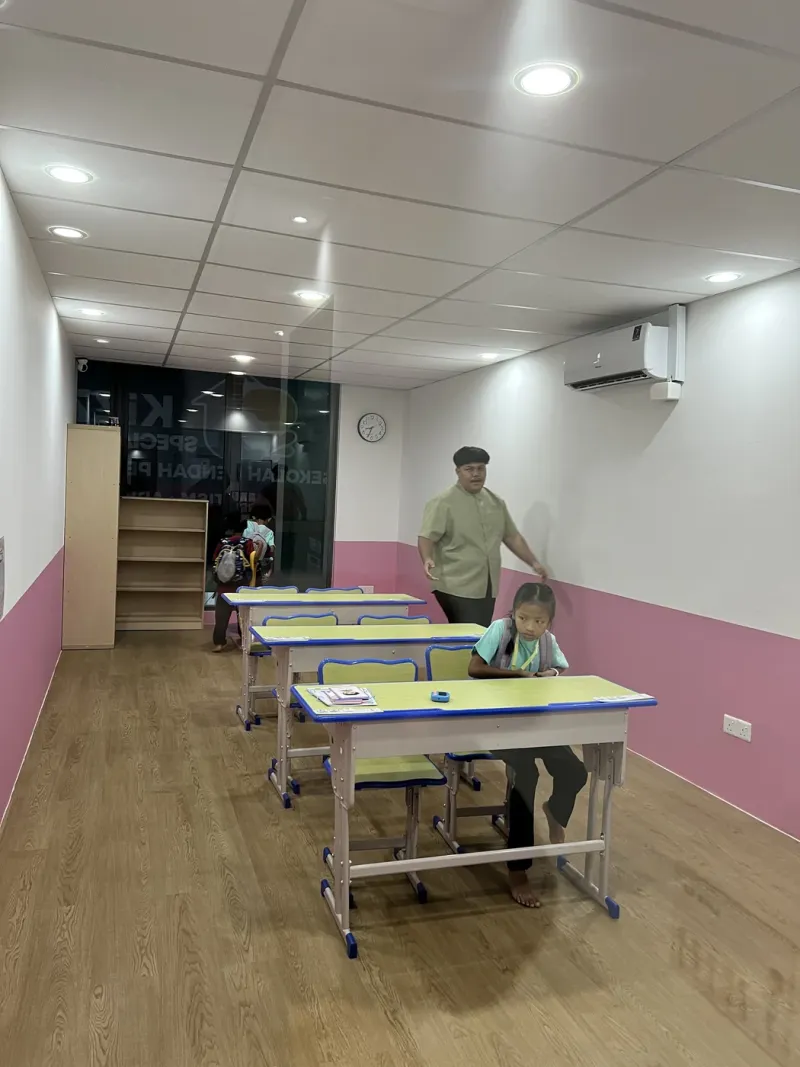
Design principles
Each area communicates what happens there—teaching, reading, movement, eating, individual support or rest.
Lighting, sound, visual clutter and movement routes are considered for the learners using the space.
Furniture, tools and routines allow learners to take part with an appropriate level of support.
Visuals, labels, storage and routines help learners rely less on adult prompting as skills grow.
Learning spaces
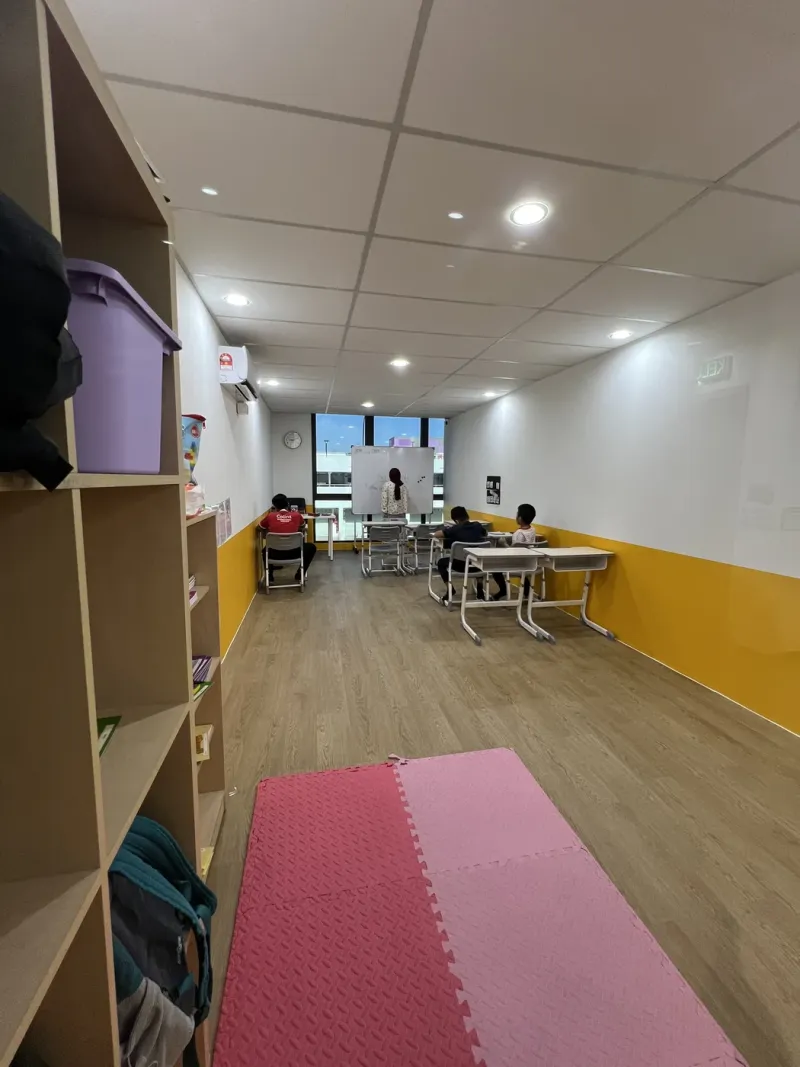
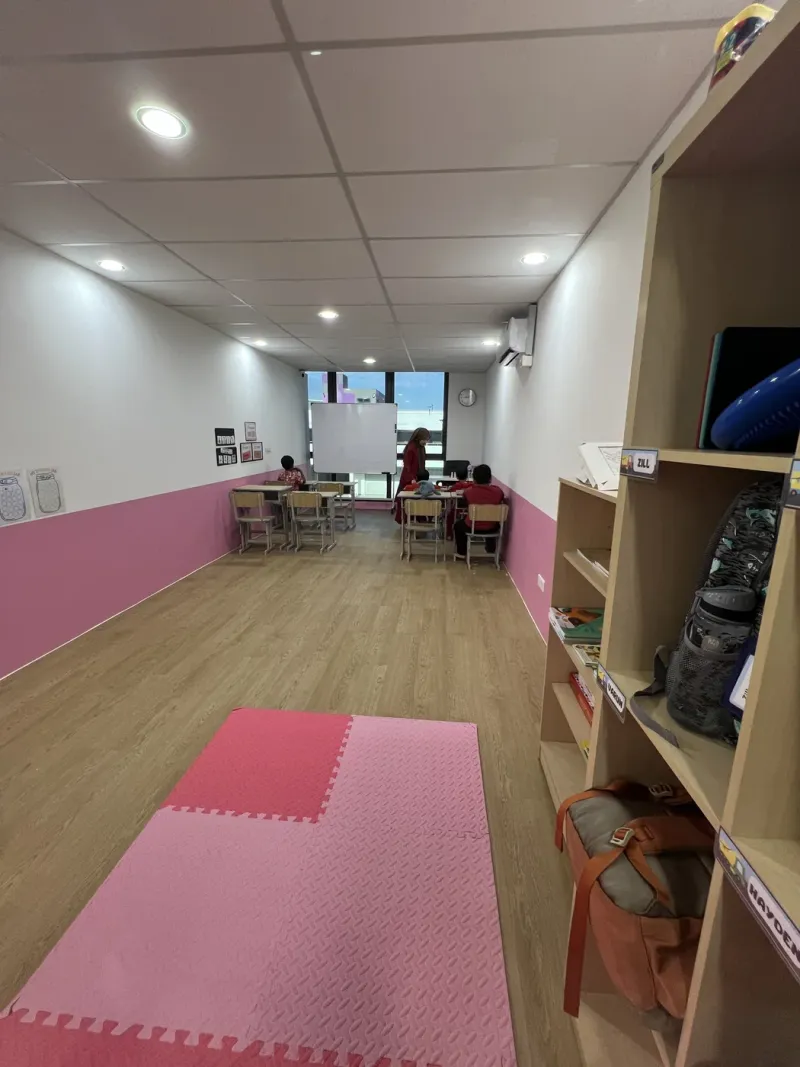
For direct teaching, table work, visual instruction and group-based adjustments.
A quieter setting for focused work or assistance—never unsafe isolation or punishment.
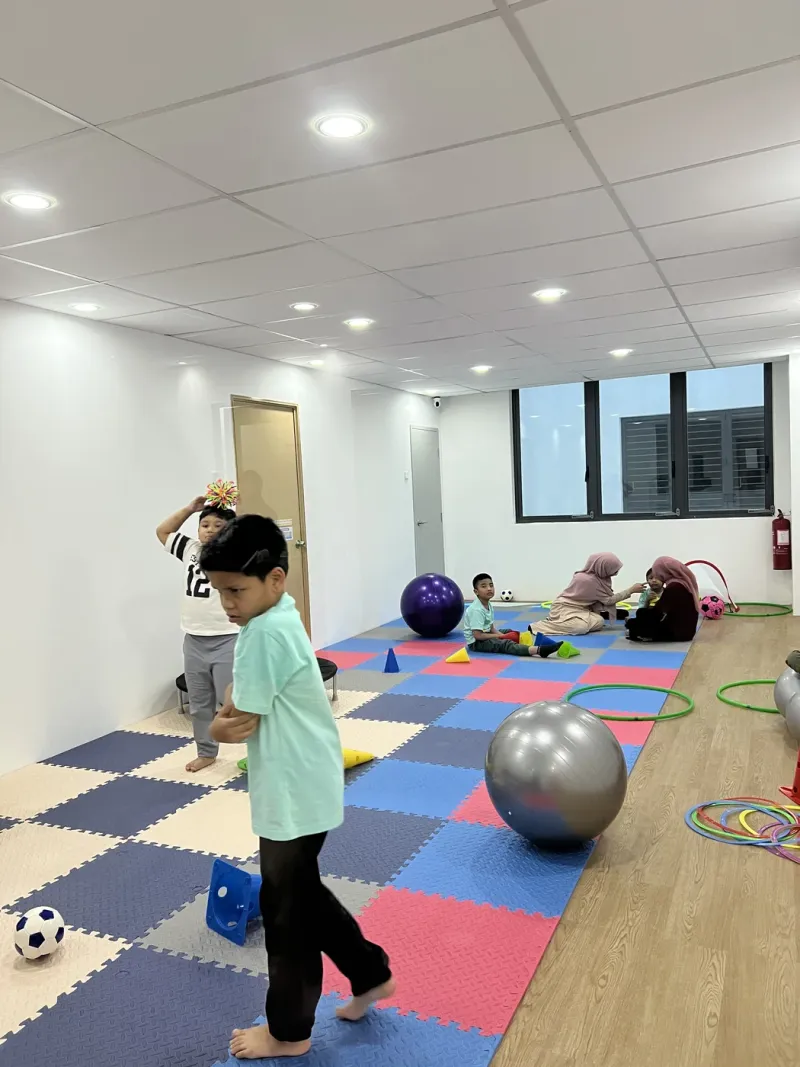
Purposeful, supervised movement or regulation strategies before returning to learning.
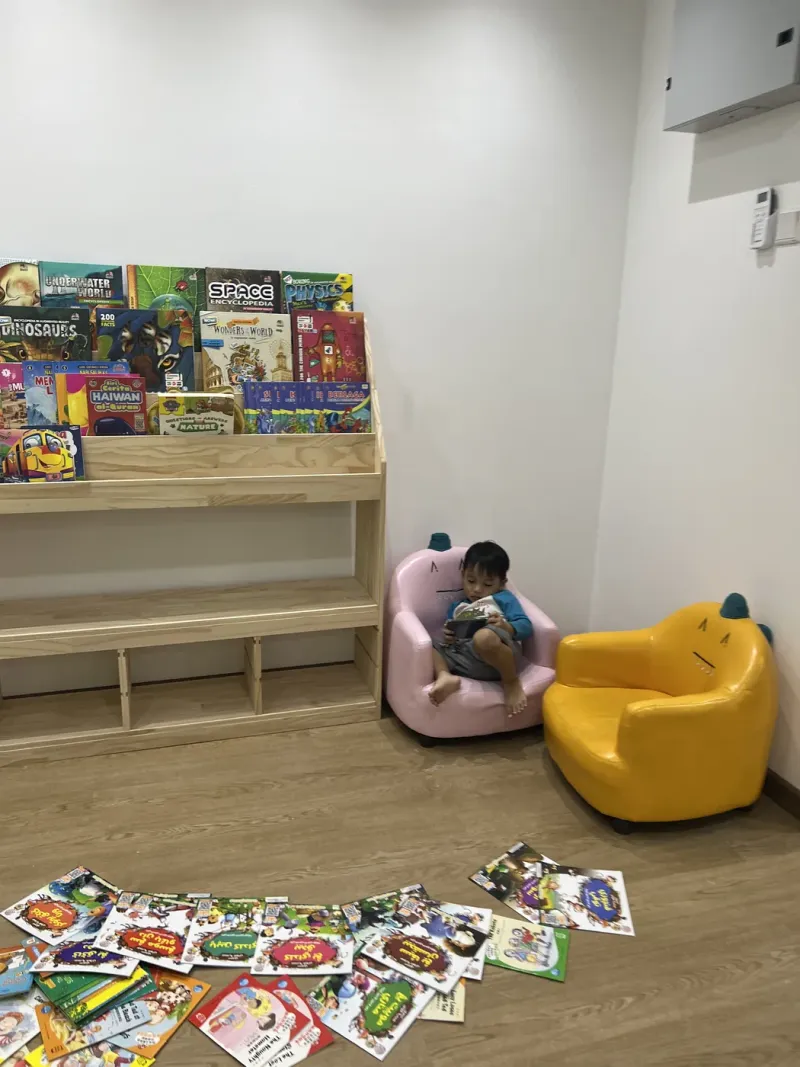
Accessible books and seating for choice, shared reading and literacy interest.
Communication, choice, waiting, tidying and independence within safe routines.
A respectful area for prayer, good manners and age-appropriate Islamic learning.
Inside KSS
Visit with purpose
Your next step
A planned visit helps your family understand the sound, movement, routines and practical use of the learning environment.